
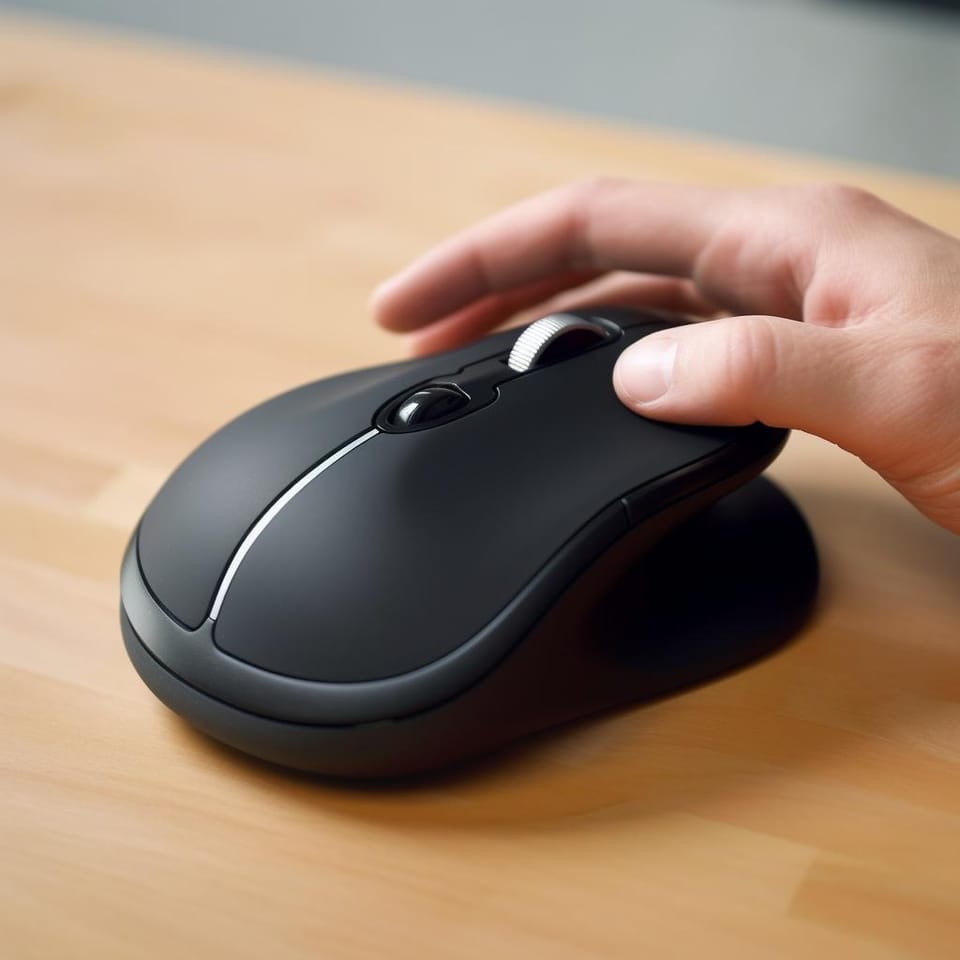

🖱️ Welcome to the World of Accessible Mousing: A Guide for Limited Mobility
Imagine a world where your digital life isn't hindered by physical limitations. A world where the click of a mouse doesn't require the full mobility of your hand, but just a simple, comfortable movement. This is the reality for many thanks to the revolutionary world of assistive technology mice, specifically designed for individuals with limited mobility.
What if you could navigate your computer with ease, regardless of your mobility challenges? What if discomfort and strain were things of the past? It's not just wishful thinking, it's a reality made possible by alternative input devices like the ergonomic mouse.
From one-handed mouse solutions to adaptive mouse devices, these assistive technologies are revolutionizing the way individuals with limited mobility interact with their computers. Ready to dive into the world of accessible mouse options? Let's explore the magic of ergonomic mouse designs for disability-friendly computing.

Ergonomic Mouse: What's the Big Deal?
So, what exactly is an ergonomic mouse and how does it stand apart from your standard mouse options? At its core, an ergonomic mouse is a beacon of relief, specifically designed to reduce discomfort and strain that can come with prolonged mouse use. Its unique design, often featuring a vertical orientation or trackball operation, allows for a more natural hand position, reducing the risk of repetitive strain injuries.
But it's not just about comfort. For individuals with limited mobility, an ergonomic mouse can be a game-changer. It's an assistive technology mouse that offers greater control and accuracy, even with minimal hand movement. This can significantly enhance their interaction with digital spaces, making it a key player in the realm of adaptive computer mouse devices.
Whether it's a one-handed mouse solution or a disability-friendly mouse with a Bluetooth transmitter for seamless connectivity, these ergonomic mouse options are all about empowering users, promoting independence, and making the digital world more accessible. Now, isn't that a tool worth exploring?
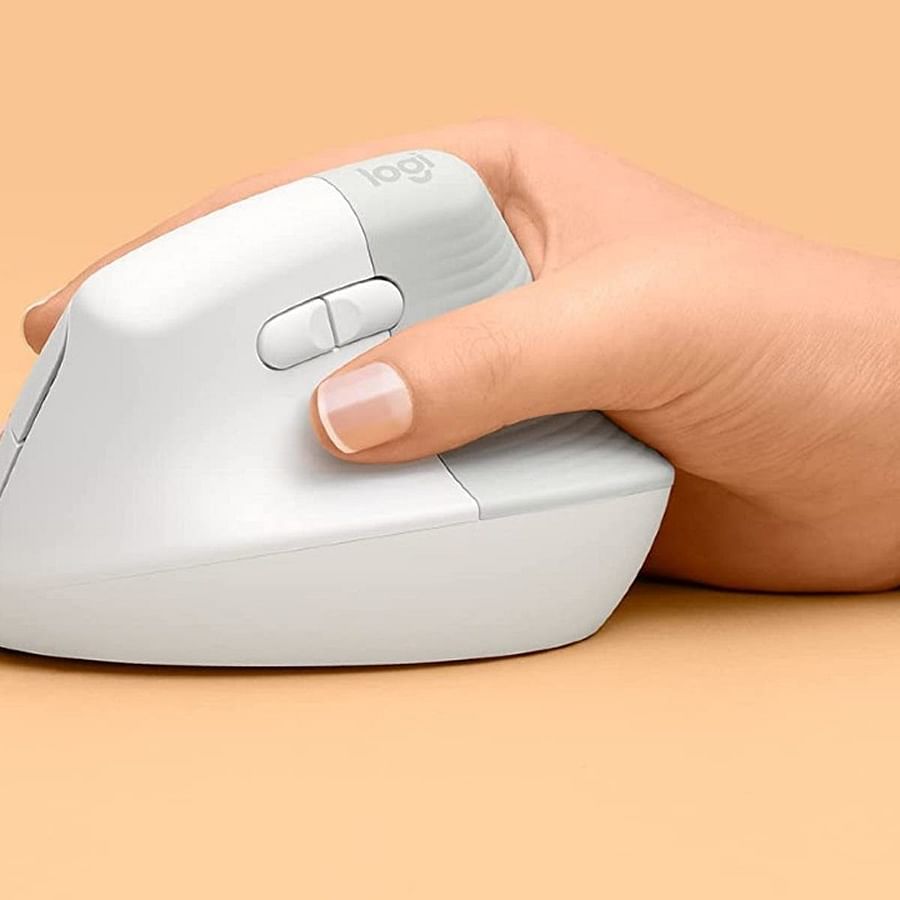
🔝 Top Picks: The Best Mice for Limited Mobility
Stepping into the world of ergonomic mouse options is like opening a door to newfound freedom for those with limited mobility. These assistive technology mice are specially designed to offer comfort, ease, and precision, transforming the way users interact with their digital world. But how do you choose the right one?
Consider the one-handed mouse solutions, designed for seamless navigation with just a single hand. These mice often come with customizable buttons for personalized comfort and functionality. On the other hand, adaptive mouse devices with a trackball design allow users to control the cursor without moving their arm, a boon for those with motor disabilities.
Bluetooth transmitter for mouse options offers wireless convenience, reducing clutter and providing greater flexibility. However, it's crucial to consider compatibility with your devices. With the right assistive technology, the digital world becomes a more accessible place, regardless of your mobility level.
Top Assistive Mice: Enhancing Comfort and Accessibility
Hear it from the Users: Real Stories of Adaptive Mousing
From the desk of a seasoned graphic designer, to the gaming setup of a passionate gamer, the magic of the assistive technology mouse has transformed lives. Take Sarah, a digital artist with limited hand mobility, who shares, "The adaptive mouse has not only made my work possible but enjoyable again. Its ergonomic design fits comfortably in my hand, reducing strain and fatigue."
Then there's Mike, an avid gamer who didn't let his disability slow down his gaming prowess. "With my one-handed mouse solution, I'm not just playing, I'm winning!" he exclaims. The comfortable mouse options have enabled Mike to continue his gaming journey with ease and comfort.
These stories embody the spirit of resilience, powered by the right assistive devices. They echo the sentiment: 'With the right tools, there are no limits.'
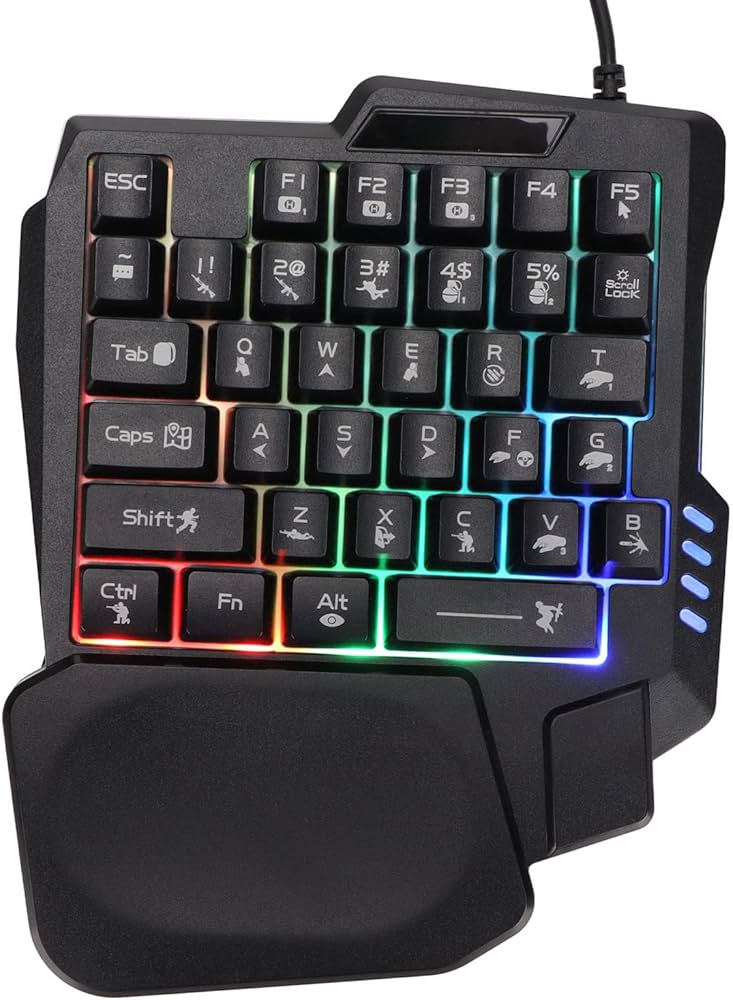
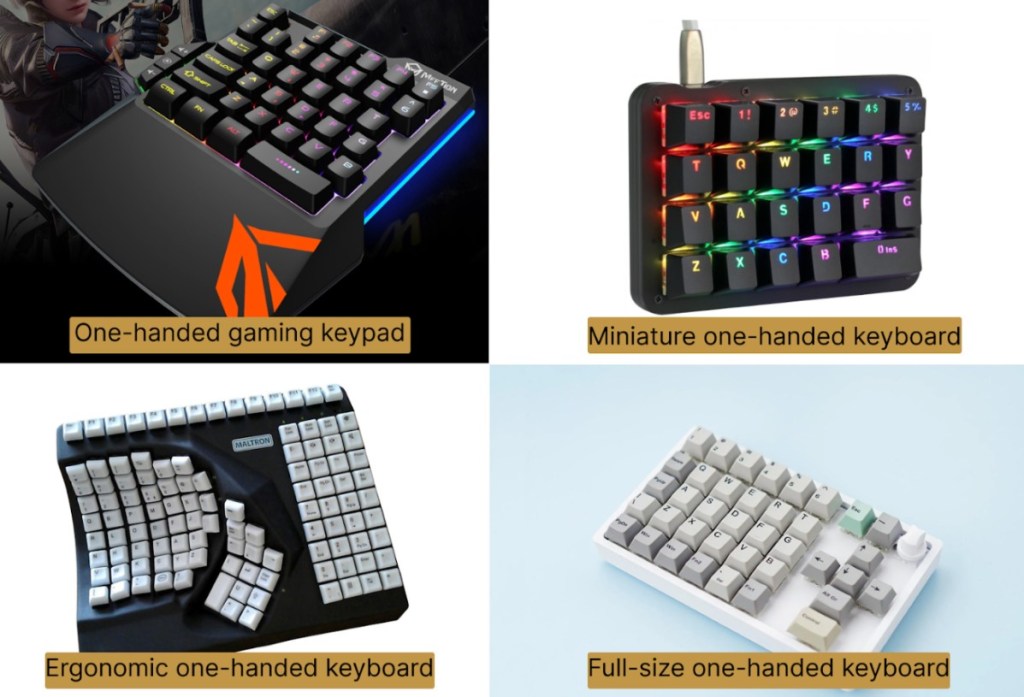
Another user, Sarah, a freelance graphic designer with limited mobility, shares her experience with the assistive technology mouse. "I never thought I'd be able to work efficiently again after my accident. But this ergonomic mouse has been a game-changer," she says. Sarah uses a one-handed keyboard in conjunction with her adaptive mouse device, enhancing her workflow and productivity.
She further adds, "The bluetooth transmitter for the mouse is a blessing. It allows me to work from my wheelchair-friendly computer desk without any hindrance." Sarah's story is a testament to the power of disability-friendly mouse options in breaking down barriers and creating accessible work environments.
Do you relate to Sarah's story? Could the right accessible mouse options and other assistive technologies empower your digital experience too?
Choosing Your Perfect Mouse: What Should You Consider?
Embarking on the quest for the perfect ergonomic mouse may seem daunting, but fear not, we're here to help! The key is to consider your specific needs and circumstances. For instance, if you're dealing with limited mobility, an adaptive mouse device can be a game-changer. These disability-friendly mice are designed with comfort and accessibility in mind, making navigating the digital world a breeze.
But how do you choose the right one? Start by considering your mobility limitations. A one-handed mouse solution may be perfect for some, while others might require a different type of assistive technology mouse. Next, think about comfort. After all, isn't that the essence of an ergonomic mouse? Price and compatibility with other devices are also crucial factors. Would a Bluetooth transmitter for the mouse simplify your setup? Or perhaps an adaptive keyboard could complement your new mouse?
Remember, the goal is to enhance your interaction with technology, not make it more complicated. So, take your time, weigh your options, and find the mouse that feels like an extension of you. After all, isn't that the beauty of assistive technology?
Finding the Right Ergonomic Mouse for You
This quiz is designed to help you determine the best ergonomic mouse for your needs. Remember, there's no one-size-fits-all solution, so consider your personal preferences and mobility limitations while answering the questions.
Learn more about 🖱️ Finding the Right Ergonomic Mouse: Take the Quiz 🖱️ or discover other Savy Assist quizzes.
Mastering Your Mouse: Strategies for Limited Mobility Usage
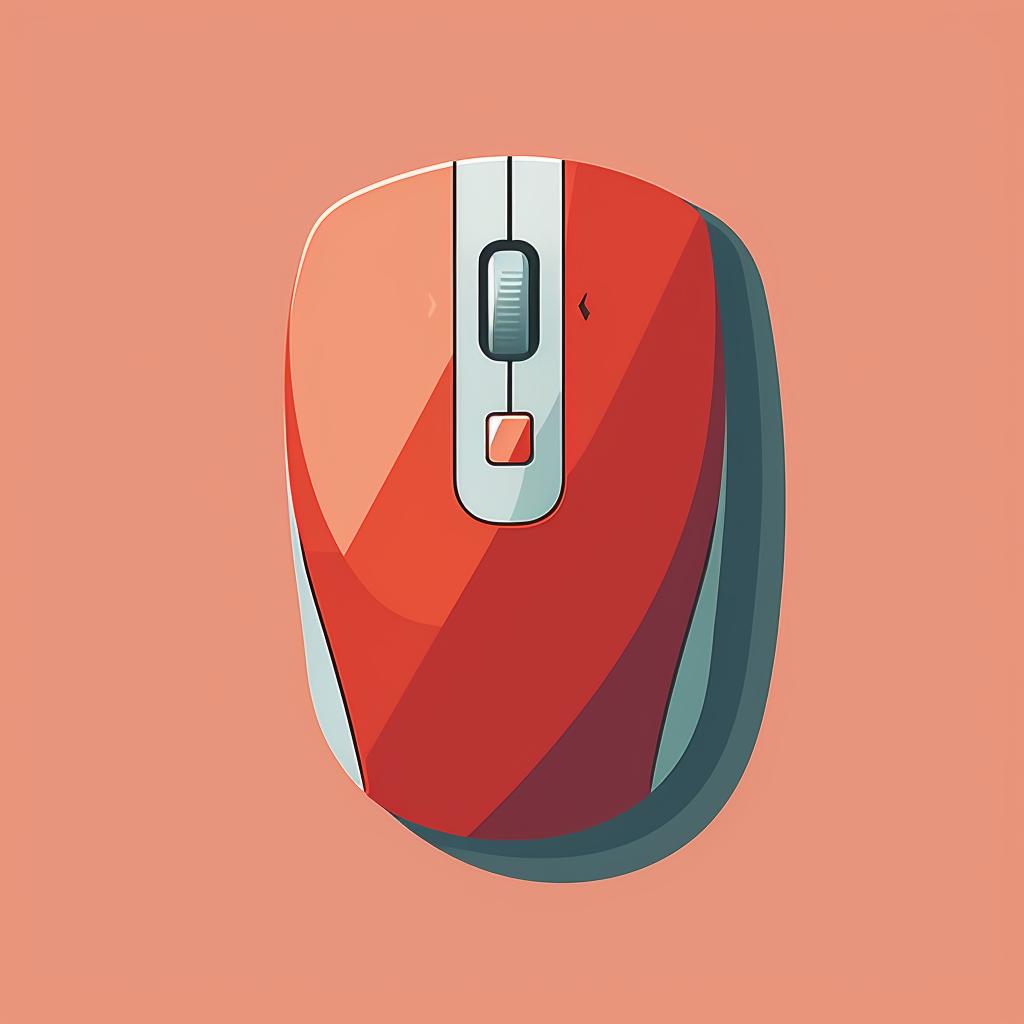
Now that we've discussed the importance of ergonomic mice and how to choose the right one, let's delve into how you can effectively use it. Here's a step-by-step guide to help you navigate the process.
Mastering the Ergonomic Mouse: A Guide for Limited Mobility




Learn more about Mastering the Ergonomic Mouse: A Guide for Limited Mobility or discover other Savy Assist guides.
Now that you've got a handle on using your ergonomic mouse, check out this video tutorial for more tips and tricks. Remember, like any new skill, it takes practice. Don't get discouraged if you don't master it right away.
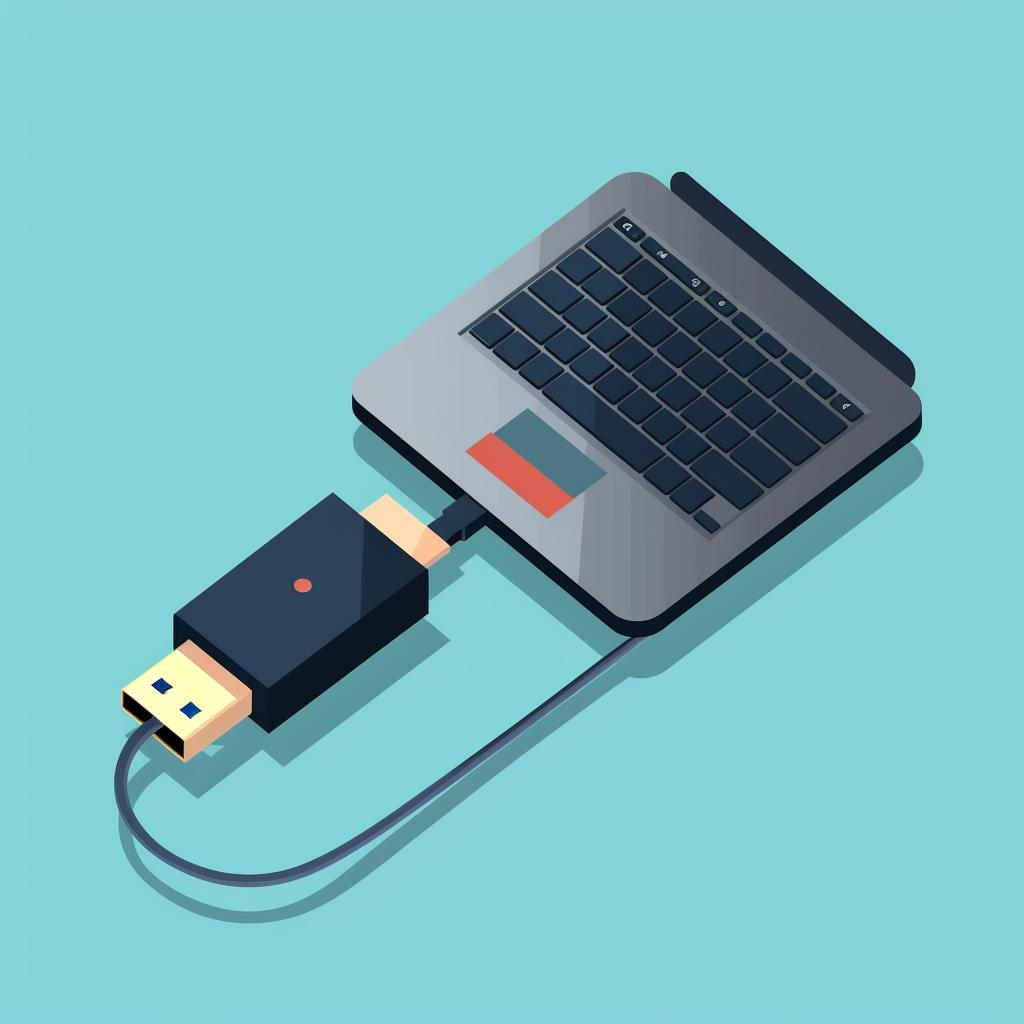
Now that we've discussed the benefits and options of ergonomic mice, let's delve into the practical aspect. Here's a step-by-step guide on setting up and using an ergonomic mouse.
Mastering the Ergonomic Mouse: A Step-by-Step Guide




Learn more about Mastering the Ergonomic Mouse: A Step-by-Step Guide or discover other Savy Assist guides.
With these steps, you should be well-equipped to set up and start using your ergonomic mouse. Remember, the key is patience and regular use. Now, let's wrap up our discussion on ergonomic mouse options for individuals with limited mobility.
Wrapping Up: The Transformative Power of Accessible Mousing
And so, our journey through the world of ergonomic mouse options for those with limited mobility comes full circle. We've seen that the right assistive technology mouse can turn a seemingly insurmountable obstacle into a speed bump; a challenge bested. A device, seemingly ordinary, becomes a key to unlock a world of digital opportunities.
Remember, it's not about any mouse—it's about your mouse. The one that fits comfortably in your hand, understands your limits, and yet pushes them. If you're still unsure, why not take a look at our large print keyboards or delve into how technology improves accessibility?
Ever wondered what it feels like to hold the world at the tip of your fingers? A disability-friendly mouse can give you a hint. So, what's your next move? The cursor is blinking—waiting for you.
What has been your experience with ergonomic mouse options and other assistive technologies?
We'd love to hear about your experience with ergonomic mouse options and other assistive technologies. Your input can help others in their journey towards greater accessibility and comfort.
No comments yet. Be the first to share your thoughts!