

Beyond Buttons: Gaming's Accessibility Shift
Accessible gaming solutions are no longer a niche request but a growing movement. The industry is recognizing that gaming should be for everyone, unlocking a massive, previously underserved market. Estimates suggest over 90 million gamers have a disability, a significant audience eager for inclusive experiences.
Accessibility was often an afterthought, relying on limited controller remapping or community-created mods. Early attempts felt clunky and incomplete, requiring significant technical expertise. While subtitles, colorblind modes, and controller customization have improved over the years, 2026 marks a turning point. Dedicated hardware, improved software support, and heightened developer awareness are creating a genuine shift.
Advancements in one-handed keyboards and adaptive gaming controllers spearhead this shift. These represent fundamentally different approaches to control, designed to accommodate a wider range of physical abilities. They open doors for players who previously found gaming inaccessible and enrich the experience for everyone with greater customization and comfort. Investment in assistive technology gaming is growing.
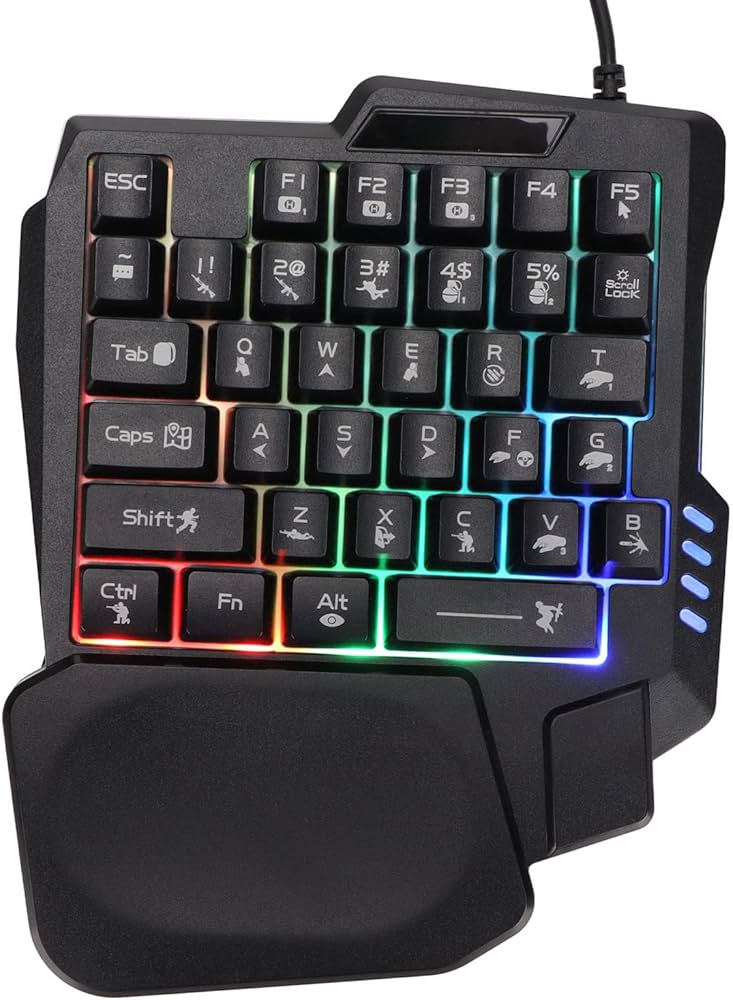
One-Handed Keyboards: Redefining Control
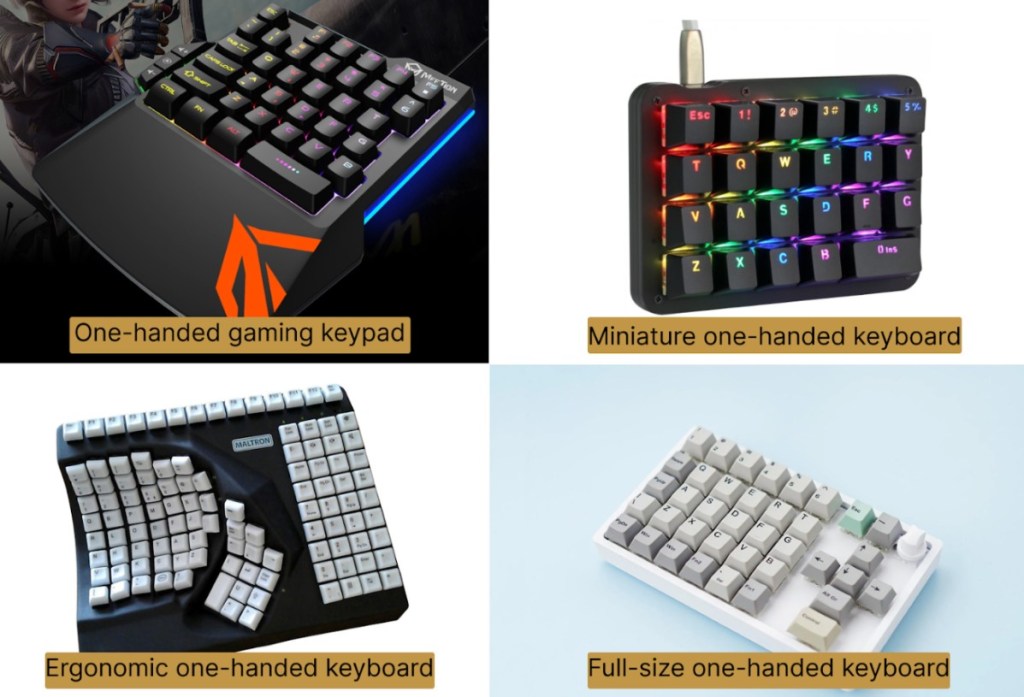
One-handed keyboards provide full computer and game control using only one hand. This benefits gamers with upper limb differences, paralysis, or repetitive strain injuries. They come in several layouts, each with strengths and weaknesses.
Split layouts separate the keyboard into two halves for a more natural hand position and reduced strain. Contoured keyboards mold to the hand's shape for ergonomic support. Compact layouts prioritize essential keys for faster access. The best choice depends on individual needs and preferences. Savy Assist offers a guide to one-handed keyboards.
There's a learning curve to retraining muscle memory. Customizing key mappings is a significant advantage. Many one-handed keyboards include software to reprogram keys, create macros, and adjust sensitivity, essential for optimizing for specific games and playstyles. Games requiring complex key combinations, like MMOs, strategy games, and shooters, benefit most, depending on player skill and adaptation.
Curious about how #Pragmata handles accessibility and gameplay? Check out this in‑depth review and see what Capcom got right — and what still needs work.#gaming #accessibility #xbox #nintendo #capcom https://t.co/ABL5kh60Tu
— Disabilities, Technology & Videogames (@MarcoCHardware) May 2, 2026
Standout Keyboards: Profiles in Innovation
The FrogPad is a popular one-handed keyboard, known for its compact design and customizable key layout. It suits gamers needing a portable solution or with limited desk space. Users praise its responsiveness and adaptability to different games.
The ManiKey A1 features a split design and contoured shape for excellent ergonomic support. It is more expensive than the FrogPad but offers a refined and comfortable typing experience, ideal for players who game for long hours and prioritize comfort. Some users note a steeper learning curve with its unique layout.
The X-Keys Programmable Keyboard is a specialized option. While not designed for one-handed use, its fully programmable keys make it versatile, favored by players needing complex macros or simultaneous control of multiple game functions. It's a significant investment, offering unparalleled customization. These keyboards range from $150 to $400.
Adaptive Controllers: The Power of Customization
The Xbox Adaptive Controller, released by Microsoft in 2018, was a significant moment for gaming accessibility. It acts as a hub for connecting external devices, allowing players to create personalized setups matching their physical abilities. The controller has large, programmable buttons and standard ports for joysticks, switches, and other peripherals.
The Adaptive Controller's compatibility is a key feature. It works with Xbox consoles, Windows PCs, and mobile devices. Players can connect standard Xbox Wireless Controllers or third-party accessibility devices, opening possibilities for customized control schemes. Compatible peripherals like buttons, joysticks, and mounting systems are available from various manufacturers.
Adaptive controllers work across most game genres. Racing games can use modified steering wheels and pedals. First-person shooters can be controlled with customized layouts and specialized joysticks. Strategy games benefit from mapping complex commands to accessible buttons. Limitations include the need for external peripherals, which adds cost, and the time required for experimentation to find the right device combination.
Software and Integration: Bridging the Gap
Robust software support for assistive technology from operating systems and game developers is crucial. Windows includes accessibility features like Sticky Keys, Filter Keys, and Toggle Keys for players with limited mobility. macOS offers similar options, and console manufacturers like Microsoft and Sony are also improving support.
In-game accessibility settings are becoming more common, with many games allowing players to remap controls, adjust difficulty, and customize subtitles. Some games offer specific accessibility presets. However, consistency is needed; players should not have to spend hours configuring controls for every game.
Remapping tools like reWASD and JoyToKey allow players to customize controls beyond hardware or game limitations. These programs translate inputs, enabling the use of unconventional controllers or complex macros. Emerging standards and APIs are also simplifying integration for developers supporting a wider range of assistive devices.
Beyond Hardware: Accessibility in Game Design
Impactful accessibility improvements come from developers prioritizing inclusivity from the start, designing games with accessibility in mind. Customizable subtitles are essential for deaf or hard-of-hearing players. Colorblind modes help players distinguish visual cues. Adjustable difficulty settings allow players of all skill levels to enjoy the game.
Games like The Last of Us Part II set a high standard with customizable controls, text-to-speech, and visual cues for audio events. Forza Motorsport also offers extensive accessibility features, including adjustable driving assists and customizable controller layouts. These games show that accessibility can enhance the experience for all players.
Developers face challenges like limited resources and awareness. Implementing accessibility features requires time and effort, but the benefits include a wider audience, positive press, and a more inclusive community. Demand for accessibility consultants is growing to help developers create inclusive games.
Looking Ahead: Trends and Predictions
The future of gaming accessibility is bright, driven by several exciting emerging technologies. Eye-tracking technology allows players to control games using only their eyes, offering a hands-free gaming experience. Brain-computer interfaces (BCIs) are still in their early stages of development, but they hold the potential to revolutionize gaming for players with severe disabilities. AI-powered assistive tools could automatically adapt game settings to match a player’s individual needs.
We’re likely to see more sophisticated software solutions that can translate complex movements into simple commands. Imagine a system that can interpret subtle facial expressions or muscle twitches and translate them into in-game actions. This could open up gaming to players with a wider range of physical limitations. The development of open-source accessibility tools will also be crucial, allowing the community to contribute to and improve accessibility solutions.
The biggest challenges remain cost and awareness. Assistive technology can be expensive, making it inaccessible to many players. Raising awareness among developers and gamers is also essential. The gaming community has a vital role to play in advocating for accessibility and creating a more inclusive gaming experience for everyone. The demand is there, the technology is advancing, and the industry is slowly but surely responding. It’s a really positive trajectory.
No comments yet. Be the first to share your thoughts!