

Assistive technology budget
’s Best Screen Readers & Adaptive Devices troubleshooting should start with a clear boundary: what is actually broken, and what still works normally. Check the display, network connection, paired devices, app access, and recent updates before assuming the whole system needs a reset. A small connection failure can make the main screen feel unreliable even when the core system is fine. Work from low-risk checks to deeper resets. Confirm power state, safe parking, account access, and signal first. Then restart the interface, wait for it to reload completely, and test the original symptom. Avoid changing multiple settings at once because that makes it harder to know which step actually fixed the problem. If the issue affects safety information, repeats after every restart, or appears with warning messages, treat the reset as a temporary diagnostic step rather than the final fix. Document the symptom and move to official support instead of stacking more DIY attempts.
The simplest way to use this section is to verify the seller, compare the total cost, and resolve the biggest risk before you commit.
Shortlist real options
’s Best Screen Readers & Adaptive Devices troubleshooting should start with a clear boundary: what is actually broken, and what still works normally. Check the display, network connection, paired devices, app access, and recent updates before assuming the whole system needs a reset. A small connection failure can make the main screen feel unreliable even when the core system is fine. Work from low-risk checks to deeper resets. Confirm power state, safe parking, account access, and signal first. Then restart the interface, wait for it to reload completely, and test the original symptom. Avoid changing multiple settings at once because that makes it harder to know which step actually fixed the problem. If the issue affects safety information, repeats after every restart, or appears with warning messages, treat the reset as a temporary diagnostic step rather than the final fix. Document the symptom and move to official support instead of stacking more DIY attempts.
| Factor | What to check | Why it matters |
|---|---|---|
| Fit | Match the option to the primary use case. | A good deal still fails if it does not fit the job. |
| Condition | Verify age, wear, and service history. | Hidden condition issues erase upfront savings. |
| Cost | Compare purchase price with likely upkeep. | The cheapest option is not always the lowest-cost option. |
Inspect the expensive parts
Screen readers and adaptive devices often fail at their most expensive components: the hardware interface, the battery system, or the proprietary software license. Before committing to a high-cost purchase, verify these specific failure points to avoid wasting money on broken or incompatible gear.
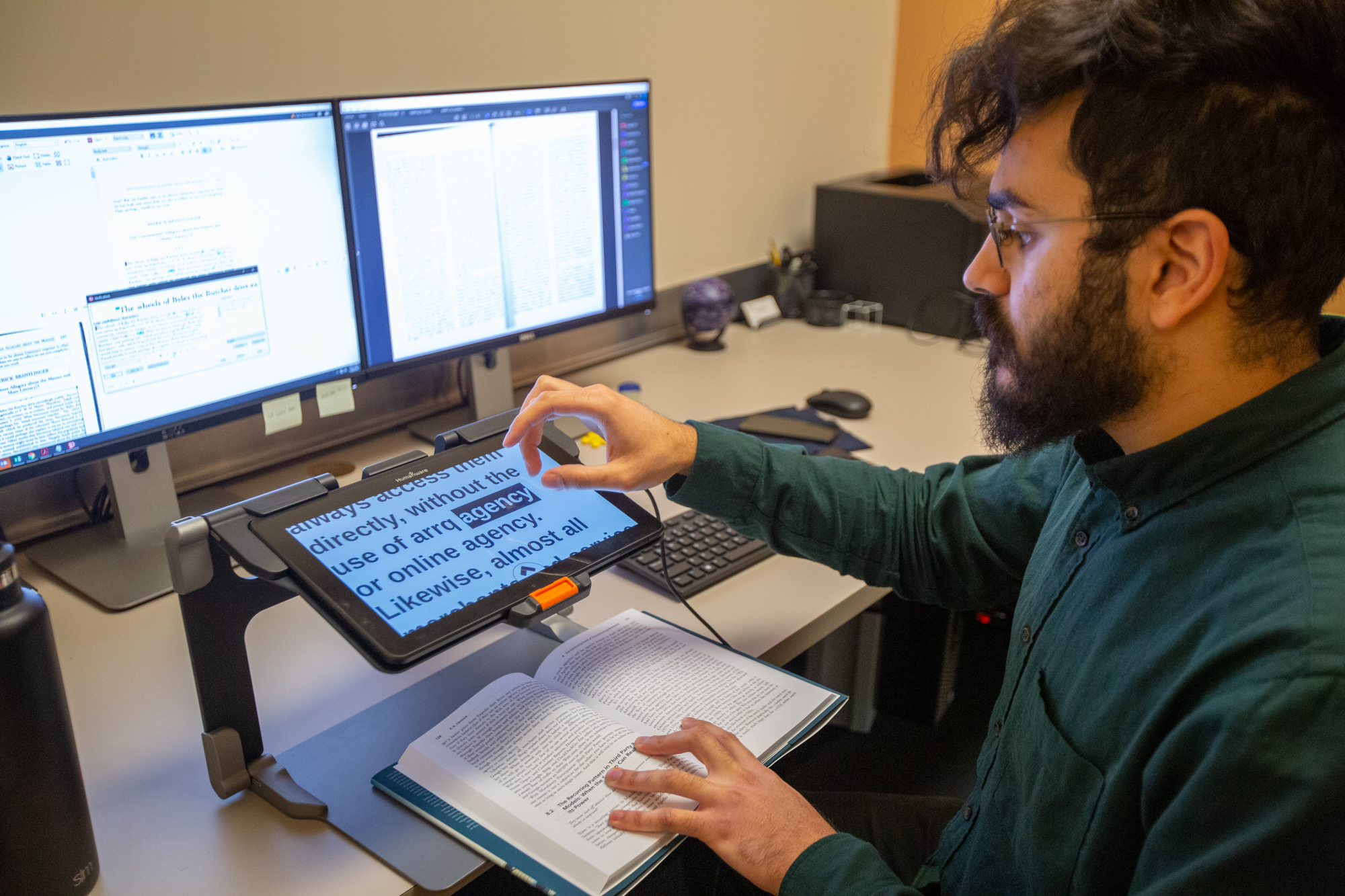
Braille displays and specialized keyboards rely on physical buttons. Check for tactile feedback and button responsiveness. If buying used, test every key. A single dead button on a $500 device can render it useless for navigation.
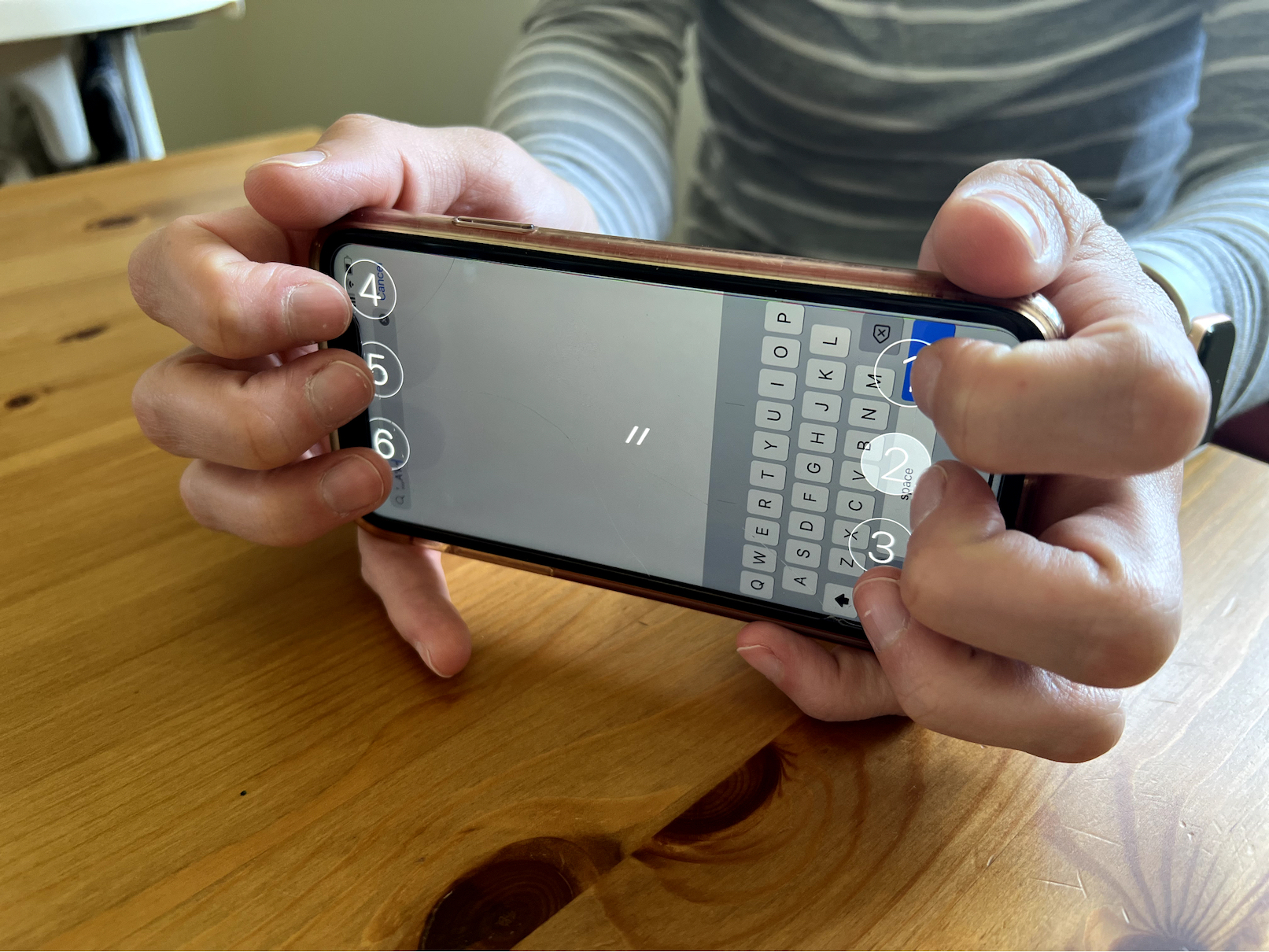
Many adaptive devices use proprietary lithium batteries that degrade over time. Ask about the battery’s cycle life and replacement cost. If the battery is sealed or hard to replace, the device may become e-waste in three years. Prefer models with standard, replaceable cells.
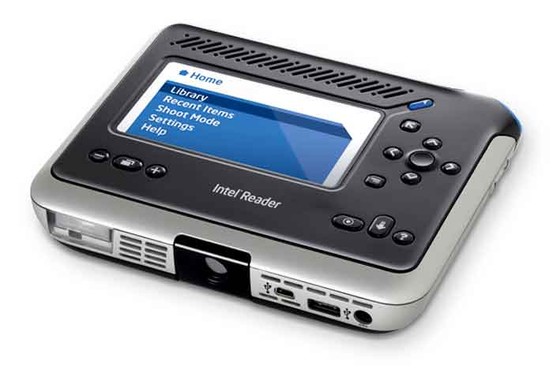
Some screen readers require annual subscriptions for updates or cloud features. Calculate the total cost of ownership over five years. If the software license is non-transferable, you may need to repurchase it when switching computers. Look for perpetual licenses if possible.
Adaptive devices must integrate with your existing operating system (Windows, macOS, iOS, or Android). Verify that the device supports your current OS version. Incompatibility is a common reason for returns. Check the manufacturer’s support page for a compatibility matrix.
By focusing on these high-risk areas, you protect your investment. These components are where most expensive failures occur, and catching them early saves time and money.
Plan for ownership costs
’s Best Screen Readers & Adaptive Devices troubleshooting should start with a clear boundary: what is actually broken, and what still works normally. Check the display, network connection, paired devices, app access, and recent updates before assuming the whole system needs a reset. A small connection failure can make the main screen feel unreliable even when the core system is fine. Work from low-risk checks to deeper resets. Confirm power state, safe parking, account access, and signal first. Then restart the interface, wait for it to reload completely, and test the original symptom. Avoid changing multiple settings at once because that makes it harder to know which step actually fixed the problem. If the issue affects safety information, repeats after every restart, or appears with warning messages, treat the reset as a temporary diagnostic step rather than the final fix. Document the symptom and move to official support instead of stacking more DIY attempts.
The simplest way to use this section is to verify the seller, compare the total cost, and resolve the biggest risk before you commit.
Assistive technology: what to check next
Choosing screen readers and adaptive devices can feel overwhelming when you are balancing cost, compatibility, and daily usability. This section addresses the most common practical objections readers face when selecting assistive technology for 2026.
Which screen reader is best for my operating system?
Screen readers are tightly integrated with their host operating systems. JAWS remains the industry standard for Windows users who need deep customization, while NVDA offers a powerful free alternative. Mac users typically rely on VoiceOver, which is built-in and highly optimized for Apple hardware. iOS and Android have their own native tools—VoiceOver and TalkBack—so you rarely need third-party software for mobile devices.
Can I use adaptive hardware with any computer?
Most adaptive devices connect via USB, Bluetooth, or wireless dongles, making them broadly compatible. However, some specialized switches or braille displays require specific drivers or software configurations. Always check the manufacturer’s compatibility list before buying. For example, a refreshable braille display might work seamlessly with JAWS on Windows but require additional setup for macOS.
Is assistive technology covered by insurance or grants?
Coverage varies widely. Some health insurance plans cover durable medical equipment like adaptive keyboards or eye-tracking systems if prescribed by a doctor. Nonprofits and vocational rehabilitation agencies often provide grants or loans for assistive tech. The Assistive Technology Industry Association (ATIA) offers resources to help you navigate funding options and find local support programs.
How do I know if a device is worth the investment?
Start with free trials or demo units. Many manufacturers offer trial periods for screen readers and adaptive hardware. If you can borrow a device from a library of assistive technology or a local disability service center, test it in your real-world environment. Focus on whether the device solves a specific barrier you face daily, rather than chasing features you might not use.
Helpful gear
Use these product recommendations as a starting point, then choose the size, material, and price point that fit how you actually use the gear.



As an Amazon Associate, we may earn from qualifying purchases.
No comments yet. Be the first to share your thoughts!