

5 AI Assistive Technology Breakthroughs Changing Disability Access in 2026
AI is no longer a futuristic concept but a daily reality for millions overcoming physical and sensory barriers. In 2026, specific tools like the OrCam MyEye and EARS smart glasses are redefining independence, offering tangible solutions that empower people with disabilities to engage with their world on their own terms.
-
orcam myeye 4 personal OCR device
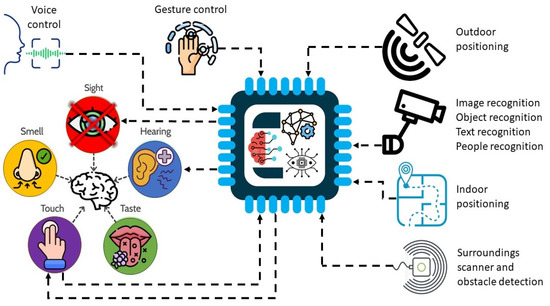
The OrCam MyEye 4 clips onto glasses, transforming visual text into clear audio instantly. This personal OCR device reads books, menus, and street signs without needing a smartphone camera. It empowers visually impaired users with immediate, private access to written information. The compact hardware integrates seamlessly with daily routines, offering independence through precise, real-time speech synthesis that turns the physical world into an accessible library. -
be my eyes ai visual assistance app
Be My Eyes AI now offers autonomous visual interpretation, moving beyond live volunteer calls. Users simply snap a photo, and the app describes scenes, identifies products, or reads labels instantly. This shift to on-device AI ensures faster, private assistance for daily tasks. It empowers users with disabilities to approach unfamiliar environments confidently, turning visual barriers into manageable information streams through advanced computer vision capabilities. -

tobii dynavox i-series eye tracker
The Tobii Dynavox I-Series eye tracker enables complete computer control through gaze alone. This device translates subtle eye movements into cursor actions and text input, crucial for users with limited motor function. It integrates directly with Windows and macOS, allowing seamless interaction with digital interfaces. By removing the need for physical keyboards or mice, it restores digital autonomy and communication freedom for individuals with severe mobility challenges. -
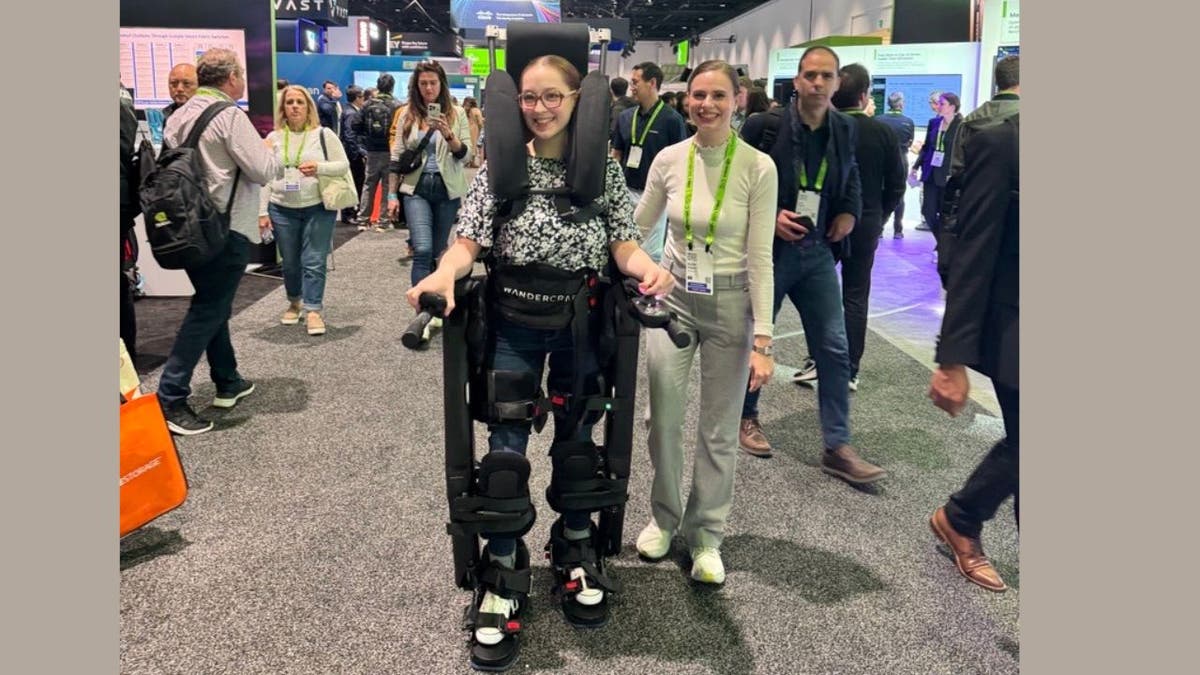
rewalk robotics exoskeleton for mobility
ReWalk Robotics provides a powered exoskeleton that restores standing and walking capabilities. This wearable technology supports users with spinal cord injuries, offering stability and movement through intelligent motor assistance. It transforms mobility from a seated constraint to an active experience, promoting physical health and social inclusion. The device empowers users to reclaim vertical space, enabling participation in activities previously inaccessible due to paralysis or severe mobility limitations. -
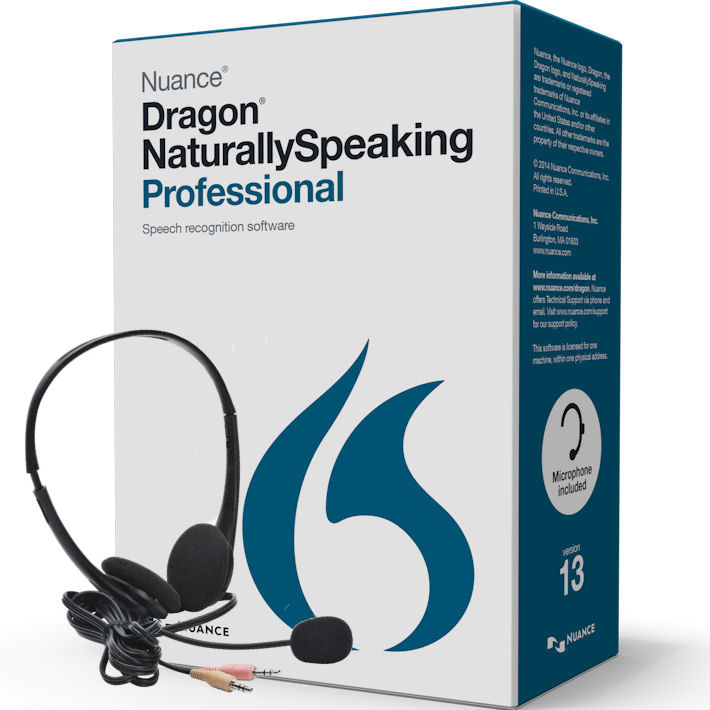
nuance dragon naturallyspeaking speech recognition
Nuance Dragon NaturallySpeaking delivers high-accuracy voice-to-text conversion tailored for professional and personal use. It learns individual speech patterns over time, reducing errors and increasing typing speed significantly. This tool empowers users with motor impairments or dyslexia to compose documents, emails, and messages hands-free. By converting spoken words into precise text, it removes physical barriers to writing, ensuring equal opportunity for digital communication and content creation.
how ai is reshaping assistive technology
Assistive technology has always been about bridging gaps, but the tools themselves have changed dramatically. For decades, the category was dominated by static hardware: white canes, hearing aids, and motorized wheelchairs. These devices are essential, but they operate on fixed parameters. They do not learn from your daily habits or adapt to your environment in real time.
The shift toward AI-driven systems marks a fundamental change in how we empower people with disabilities. Modern assistive technology is no longer just a tool you hold; it is an intelligent layer that sits between you and the world. It interprets context, predicts needs, and adjusts its behavior based on what it learns from your interactions. This dynamic approach transforms accessibility from a one-size-fits-all solution into a personalized support system.
Consider the difference between a traditional screen reader and an AI-powered visual assistant. A standard reader simply vocalizes text on a screen. An AI assistant, however, can describe a complex chart, identify a spill on the floor, or help you find a specific item in a cluttered room by analyzing video feeds in real time. This is not just about reading; it is about understanding.
This evolution extends beyond software. AI is now embedded in smart home ecosystems, enabling voice-activated devices to manage lighting, temperature, and security with natural language commands that feel conversational rather than command-based. It is also revolutionizing communication for non-verbal individuals, using predictive text and tone analysis to convey nuance that was previously lost in text-to-speech outputs.
The result is a landscape where technology adapts to the user, not the other way around. By leveraging machine learning and real-time data processing, these systems reduce the cognitive and physical load on users, allowing them to engage with their environments with greater confidence and autonomy. This is the foundation for the breakthroughs we will explore next.
What are the main types of assistive technology?
Assistive technology isn't a single gadget; it's a spectrum of tools designed to empower people with disabilities by removing barriers to independence. These tools fall into four distinct categories based on the type of impairment they address: visual, auditory, motor, and cognitive.
Visual aids These tools help users who are blind or have low vision access the physical and digital world. Examples include screen readers like JAWS or VoiceOver, which convert text to speech, and high-contrast displays. Hardware solutions range from smart glasses like OrCam MyEye, which reads printed text aloud, to magnification devices.
Auditory support For those who are deaf or hard of hearing, these technologies bridge the communication gap. Real-time captioning services, such as Google Live Caption, transcribe audio instantly. Hearing aids have evolved into smart devices that connect to smartphones, while notification systems use flashing lights or vibrations to alert users to doorbells or alarms.
Motor assistance This category supports individuals with limited mobility or dexterity. Voice-controlled smart home hubs like Amazon Echo allow users to control lights, thermostats, and locks without physical switches. Specialized input devices, such as eye-tracking software or single-switch keyboards, enable computer access for those who cannot use a standard mouse or keyboard.
Cognitive and learning tools These tools assist with memory, focus, and information processing. Text-to-speech apps like NaturalReader help with reading comprehension, while distraction-free writing tools and reminder apps support daily organization. Simplified user interfaces and symbol-based communication apps also fall into this group, making digital interaction more accessible for neurodiverse users.


As an Amazon Associate, we may earn from qualifying purchases.
No comments yet. Be the first to share your thoughts!